
Though you won’t find Tristan among the pages of Scripture, this name carries profound spiritual weight for Christian families considering it for their child.
The name emerges from two powerful roots: the Latin “tristis” meaning “sorrowful,” and the Celtic “Drustan” meaning “bold warrior.” Together, they create a message that resonates deeply with biblical faith—that God transforms sorrow into strength, and trials forge courageous character.
This dual heritage mirrors a pattern found throughout Scripture: Joseph’s suffering led to salvation for nations. David’s years fleeing Saul produced the Psalms. Paul’s thorn in the flesh revealed sufficient grace. The cross preceded the resurrection.
For parents seeking a name that acknowledges life’s realities while proclaiming hope in God’s redemptive power, Tristan offers rich meaning. It’s honest about struggle yet confident in transformation—a fitting declaration over any child’s life.
A Spiritual Perspective on the Name Tristan:
“The name Tristan speaks to the quiet truth found throughout Scripture. Strength is often born in sorrow, and faith is refined in moments of trial. Though the name itself is not biblical, its meaning echoes the spiritual journey of believers who learn to trust God through hardship.”
Let’s explore the spiritual depth behind this increasingly popular Christian name, the biblical themes it reflects, and whether it’s the right choice for your family.
Understanding Tristan in Biblical Context
Is Tristan in the Bible?
No, Tristan doesn’t appear in Scripture. Unlike Joshua (“the Lord saves”) or David (“beloved”), this name emerged from medieval European culture, not biblical text.
But that shouldn’t concern Christian families. Many beloved names used today—Grace, Hope, Trinity—also don’t appear as personal names in the Bible, yet carry profound spiritual significance. What matters is whether a name reflects biblical truth and values.
Tristan in Christian Naming Today
Many Christian parents are drawn to the name Tristan because it reflects a familiar spiritual story. It mirrors the biblical theme that pain is never wasted when placed in God’s hands. Though not found in Scripture, Tristan aligns with verses that speak of perseverance, humility, and inner strength formed through faith.
The name has become especially meaningful for families who value character over tradition and symbolism over literal mention.
Read Also: Biblical Meaning of Evelyn: Life, Light & Faith (2026)
The Spiritual Connection
While absent from Scripture, the name connects to faith through meaning rather than mention. Its association with sorrow and trial resonates deeply with biblical themes.
Throughout Scripture, God transforms suffering into triumph. Job’s restoration after devastating loss. Joseph’s rise from slavery to leadership. The cross itself—ultimate sorrow becoming humanity’s greatest hope.
These narratives give the name theological weight. Christian naming tradition has always embraced names reflecting spiritual truths, whether found in Scripture or drawn from the broader Christian heritage.
A Name’s Worth
The core themes—endurance through hardship, hope beyond sorrow—saturate biblical teaching. Passages like Romans 5:3-4 (“suffering produces perseverance; perseverance, character; and character, hope”) or James 1:2-4 (considering trials “pure joy”) echo the journey embedded in this medieval name.
For families drawn to it, the absence from Scripture doesn’t diminish its value. Like other names rooted in Christian culture rather than biblical text, it can carry meaning shaped by faith and intentionality.
Why Tristan Matters in Christian Tradition

Spiritual Significance Beyond Scripture
Names shape identity and reflect parental hopes for their children’s spiritual journey. Throughout church history, Christian families have embraced names from diverse cultural traditions—Latin, Celtic, Germanic—that express biblical truths without appearing in Scripture itself.
This expansion enriched Christian naming beyond strictly biblical options. Just as European Christians adopted names reflecting virtue, nature, or spiritual concepts, they found meaning in names that acknowledged life’s hardships while pointing toward redemption.
A Daily Reminder
The power in this choice lies in its honesty about suffering paired with hope for restoration. It acknowledges that present grief doesn’t write the final chapter—a deeply biblical concept even if the name itself isn’t.
Every time a parent calls their child’s name, they can invoke a reminder: God specializes in transforming sorrow into strength, trials into testimony. That daily proclamation of hope through hardship reflects the heart of the gospel story itself.
For families drawn to names with emotional depth and spiritual resonance, this offers both beauty and substance—a name that doesn’t shy away from life’s difficulties while trusting in divine grace to carry us through them.
Read Also: Logan Name Meaning: Scottish Origin, Spiritual Significance & Nicknames (2026 Guide)
The Spiritual Roots & Etymology
This name emerges from two distinct linguistic traditions that converged in medieval Europe: Latin sorrow and Celtic strength.
The Latin Foundation: Tristis
The Latin root “tristis” means “sorrowful” or “sad”—which might initially seem negative for a child’s name. But within Christian tradition, sorrow plays a redemptive role.
Scripture doesn’t shy away from grief. The prophets expressed lament. David poured out anguish in the Psalms. Jesus himself wept at Lazarus’s tomb. Acknowledging pain represents spiritual honesty, not weakness.
Theologians call this “godly sorrow”—the kind that leads to repentance and renewal (2 Corinthians 7:10). It’s the recognition that brokenness often precedes breakthrough, that admitting our need is the first step toward healing.
The Celtic Dimension: Drustan
The Celtic variation “Drustan” (later “Trystan”) adds layers of courage and resilience. These forms emphasize boldness, tumult, and warrior-like strength—qualities essential for enduring faith.
Throughout Celtic Christian history, warrior imagery was transformed into spiritual metaphors. The “good soldier of Christ Jesus” who endures hardship (2 Timothy 2:3). Standing firm against trials. Maintaining courage when circumstances overwhelm.
Two Traditions, One Truth
Together, these roots create a holistic picture: human vulnerability met with divine empowerment. One side acknowledges our frailty; the other proclaims God’s strength perfecting itself in our weakness (2 Corinthians 12:9).
This convergence captures a profound biblical paradox—that we’re most capable when we admit our limitations, most courageous when we face our fears honestly, most hopeful when we’ve walked through sorrow with God.
How Etymology Shapes Understanding
Etymology isn’t just academic trivia—it reveals what parents declare over their children. This name proclaims that sorrow doesn’t have the final word, that boldness emerges through trials, and that God works transformation through life’s tumultuous seasons.
Understanding these roots helps Christian families choose names that reflect both reality and hope.
The Celtic Christian Connection — Faith Forged in the Ancient Church

The name Tristan didn’t emerge from a pagan world accidentally baptized by later Christianity. It emerged from a culture already deeply shaped by the cross — and understanding that changes how the name reads entirely.
A Faith Forged in the Wild
By the time the name Drustan was circulating in its earliest forms across Wales, Cornwall, and Brittany, Celtic Christianity had already transformed the region into one of early Christianity’s most vibrant and distinctive strongholds. Saints Patrick, Columba, and Brigid hadn’t merely introduced the faith to the Celtic world — they had woven it into its identity. The culture that produced this name was a Christian culture.
But Celtic Christianity had its own particular shape. Where Roman Christianity expressed itself through grand basilicas and institutional order, Celtic faith was forged in remote monasteries, wild coastlines, and windswept island hermitages. It was a rugged, wilderness-shaped spirituality that understood suffering not as an obstacle to God but as one of the primary roads toward him.
The Wanderers for God
Celtic monks gave themselves a remarkable name: peregrini — wanderers for God. They left home, comfort, and security voluntarily, setting out into uncertainty with the deliberate conviction that God meets his people in the hard places. Some crossed open ocean in small boats with no fixed destination, trusting that the Spirit would guide them to wherever they were needed. This wasn’t recklessness. It was a theology of courageous surrender — the belief that the wilderness wasn’t where God was absent but where he was most powerfully present.
That spirituality — bold, enduring, willing to walk into difficulty rather than around it — is precisely what the Celtic root of Tristan embodies. Drustan, with its undertones of tumult and warrior’s noise, wasn’t a name for the timid. It was a name for people who understood that faith sometimes looks like walking toward the storm.
When Two Traditions Became One
When the Latin tristis and the Celtic Drustan converged in the medieval period, something theologically significant happened. Two distinct streams of Christian experience merged into a single name.
The Latin tradition brought depth of lament — the honest, unflinching acknowledgment of human grief that runs through Augustine, through the Psalms, through Isaiah 53. The Celtic tradition brought fierce, persevering courage — faith that doesn’t dissolve under pressure but hardens into something more enduring. One stream taught the church how to weep. The other taught it how to keep moving through the weeping.
Together, they created a name that holds both — the honesty of sorrow and the boldness of faith that refuses to be buried by it. That is not a contradiction. It is, in fact, a portrait of mature Christian character. And it didn’t come together by accident. It came together in a world already shaped by a God who entered suffering and walked out the other side.
What This Means for Families Today
Choosing Tristan connects a child to something older and richer than a medieval legend. It connects them to a long tradition of believers who understood that difficulty is not a detour from God’s purposes — it is often the very path he uses. The Celtic Christians didn’t wait for comfortable circumstances to pursue God faithfully. They took their faith into the wilderness and found him there.
That is the heritage the name carries. And for families who choose it with that understanding, it becomes less a label and more a quiet inheritance — handed down from a church that was never afraid of hard roads.
Also Read: Is Tristan a Greek Name? The Surprising Truth About Τρίσταν (2026)
Scripture Passages That Resonate
While the name doesn’t appear in Scripture, several passages illuminate its spiritual themes—the journey from sorrow to strength that defines biblical faith.
2 Corinthians 4:17 – Perspective Shift
“For our light and momentary troubles are achieving for us an eternal glory that far outweighs them all.”
Paul reframes suffering as temporary and productive. What feels heavy in the moment becomes “light and momentary” through eternity’s lens. Present grief isn’t meaningless—it’s achieving something beyond our immediate perception.
This verse validates the name’s core message: sorrow that births strength, pain that produces purpose.
Romans 5:3-5 – The Transformation Chain
“We also glory in our sufferings, because we know that suffering produces perseverance; perseverance, character; and character, hope.”
Here’s a complete theology of redemptive suffering: hardship → perseverance → character → hope.
Paul celebrates active endurance, not passive resignation. Trials produce proven character that can’t be developed any other way. And notice the culmination—hope, the defining mark of Christian faith that separates it from despair.
Psalm 30:5 – Night Turns to Morning
“Weeping may stay for the night, but rejoicing comes in the morning.”
David knew profound suffering—betrayal, loss, exile. Yet he discovered that grief has an expiration date. Darkness feels permanent when you’re in it, but dawn inevitably arrives.
This natural cycle becomes a powerful metaphor for God’s faithfulness. The name’s sorrowful etymology doesn’t suggest perpetual sadness—it points to the journey through sorrow toward morning joy.
James 1:2-4 – Purpose in Trials
“Consider it pure joy, my brothers and sisters, whenever you face trials of many kinds, because you know that the testing of your faith produces perseverance.”
James presents a radical perspective: finding joy in trials because of what they produce. This isn’t masochism—it’s purposeful development. Trials equip us for greater kingdom work, producing spiritual maturity and completeness.
This passage validates both dimensions of the name—acknowledging difficulty (the Latin root) while responding with bold faith (the Celtic warrior spirit).
The Common Thread
These passages share a consistent message: God meets us in our brokenness and works transformation. Suffering isn’t the end of the story—it’s often the beginning of deeper faith, stronger character, and unshakeable hope.
For families drawn to this name, Scripture offers rich theological support for its themes, even without direct biblical mention.
1 Peter 5:10 – Suffering Then Restoration
“And the God of all grace, who called you to his eternal glory in Christ, after you have suffered a little while, will himself restore you and make you strong, firm and steadfast.”
Peter’s promise captures the complete journey: suffering → restoration → strength. The phrase “after you have suffered a little while” acknowledges grief as real but temporary.
Notice the progression: restore, strengthen, firm, steadfast. This isn’t just recovery—it’s advancement. You emerge stronger than before the trial began.
Peter wrote from personal experience—denial, restoration, persecution, leadership. He knew firsthand that God personally intervenes to transform trials into spiritual fortitude.
Read Also: Liam Bible Verse Meaning: 7 Verses About Strength & Protection (2026)
Job 23:10 – Refined Like Gold
“But he knows the way that I take; when he has tested me, I will come forth as gold.”
Job spoke these words amidst unimaginable loss. Despite losing everything, he maintained confidence that testing served a refining purpose.
The gold metaphor appears throughout Scripture for purification through fire. Job’s story proves that God can restore what seems irredeemably shattered. His endurance resulted in deeper knowledge of God—not just recovery, but transformation.
For families considering this name, Job’s example offers powerful inspiration: maintaining trust during suffering isn’t naive optimism but profound wisdom.
Philippians 4:13 – Strength Through Christ
“I can do all this through him who gives me strength.”
Paul wrote this in the context of enduring various circumstances—abundance and need, plenty and want. The strength he describes comes from Christ’s empowerment, not personal willpower.
This verse reveals the proper source of courage: not human bravado but Christ-given boldness. Paul’s remarkable perseverance throughout his ministry flowed from this connection to divine strength.
Biblical names at their best point beyond ourselves to God’s transforming work—celebrating not our natural strength but the supernatural empowerment available through faith.
Jesus — The Ultimate Man of Sorrows (Isaiah 53:3)
Perhaps the most profound spiritual connection the name Tristan carries isn’t found in theology or tradition — it’s found in Christ himself.
A Name With Two Roots
Most sources trace “Tristan” to the Latin tristis, meaning sorrowful. But scholars point to an older Celtic root — Drustan — meaning tumult or warrior’s noise. Both roots are real. Names travel across cultures and collect meaning along the way, and by the time Tristan entered medieval consciousness, it carried both the mourner’s weight and the warrior’s boldness.
That tension, it turns out, mirrors something far greater than etymology.
The Sorrow Isaiah Described
Isaiah 53:3 portrays the coming Messiah as “a man of sorrows, acquainted with grief.”
The Hebrew word for sorrows here — makob — means deep, intimate, personal anguish. Not suffering observed from a distance, but pain felt from the inside out. And “acquainted” translates yada — the same Hebrew word for experiential, relational knowing. Jesus didn’t merely encounter grief. He knew it. He entered it deliberately, fully, and without reservation.
This is not a God who comforts from a safe distance. This is a God who came down into the darkness.
What This Means for the Name
This is exactly what tristis carries — and where Tristan finds its deepest spiritual resonance.
A child named Tristan doesn’t simply carry a name meaning sorrowful. They carry a name that reflects the character of Jesus as Isaiah foresaw him — the One who bore our sorrows so no one would ever walk through grief alone. Isaiah 53:4 follows immediately: “Surely he has borne our griefs and carried our sorrows.”
The sorrow was never the ending. It was the means of rescue.
The Arc the Name Holds
Isaiah 53 begins in grief and ends in victory. The suffering Servant becomes the conquering King. That movement — from tristis to Drustan, from mourner to warrior, from sorrow to strength — is the shape of the gospel itself, compressed into a single name.
For Christian families, Tristan isn’t just a name that acknowledges pain. It’s a name that quietly traces the entire arc of redemption — from the darkness of Good Friday to the light of Easter morning.
That is not a burden to carry. It is an inheritance.
“He was despised and rejected, a man of sorrows and acquainted with grief… Surely he has borne our griefs and carried our sorrows.” — Isaiah 53:3-4
Christian Symbolism & Deeper Meaning
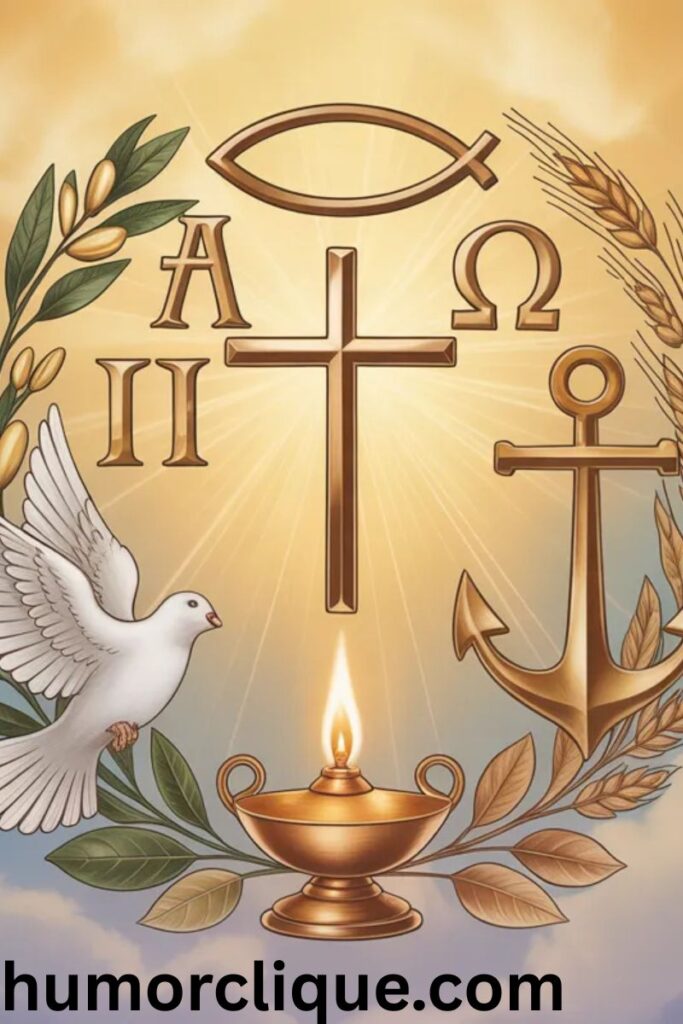
Names shape identity and spiritual understanding in powerful ways. This particular name offers rich theological layers about redemption, transformation, and divine faithfulness.
The Redemptive Arc: From Sorrow to Joy
At its core, the name embodies Scripture’s central narrative—God restores brokenness.
This redemptive arc runs from Genesis to Revelation: paradise lost becomes paradise restored, exile leads to homecoming, death gives way to resurrection. Throughout Scripture, sorrow never stands alone without hope.
Lamentations follows judgment but precedes restoration. Good Friday’s darkness gives way to Easter’s light. Grief serves as the dark canvas against which God’s faithfulness shines brightest.
The name doesn’t celebrate suffering—it acknowledges it as the often-necessary path to deeper faith. It proclaims that present sorrow doesn’t write our final chapter; God’s redemptive work does.
Read Also: Is Tristan a Hebrew Name? Biblical Truth & Christian Perspective
The Warrior Spirit: Bold Faith in Action
The Celtic roots contribute a crucial dimension—the courage to persevere. This isn’t about physical combat but spiritual warfare and active endurance.
Scripture repeatedly calls believers to boldness. Paul urges Timothy to “fight the good fight of faith” (1 Timothy 6:12). Peter instructs believers to “resist the devil, standing firm in the faith” (1 Peter 5:9). Christian life demands active courage, not passive acceptance.
This warrior dimension prevents the name’s meaning from becoming passive or maudlin. Biblical faith through suffering isn’t resigned victimhood but active trust in God’s goodness despite circumstances. When we respond with bold perseverance, trials produce soldiers, not casualties.
Two Truths Held Together
The name’s power lies in holding both realities: honest acknowledgment of pain and courageous trust in God’s transformation. That’s not just good theology—it’s lived Christian experience across centuries.
The Transformation Principle: Weakness to Strength
Perhaps the most powerful symbolism relates to God’s transformative power. Throughout Scripture, weakness becomes the raw material for supernatural strength.
Jacob’s limp becomes his blessing. Paul’s thorn produces grace. Crucifixion leads to resurrection.
This distinguishes Christian hope from secular philosophy. The world counsels “surviving” hardship or “moving past” grief. Biblical faith proclaims that God redeems brokenness, not merely replaces it. He integrates suffering into our story rather than erasing it.
It’s divine alchemy—turning sorrow into strength, trials into testimony, weakness into occasions for grace (2 Corinthians 12:9-10).
Read Also: What Does Charlotte Mean Biblically? Freedom in Christ + 7 Prayers for Your Daughter
Names as Prophetic Declarations
In Christian tradition, names often function as prophetic statements over children’s lives—daily reminders of theological truth.
Choosing this name becomes a faith statement. It acknowledges that life includes grief while affirming that sorrow doesn’t define our ultimate identity. It proclaims biblical realism combined with resurrection hope.
When facing difficult seasons later in life, someone bearing this name might remember what it signifies: they were marked from birth as one who journeys from sorrow to strength, someone whose story doesn’t end with hardship but with God’s redemption.
The name becomes a personal theology carried in one’s identity—a constant reminder that present circumstances don’t write the final chapter.
Choosing Tristan as a Christian Baby Name

Is This a Christian Name?
Many parents wrestle with this question. The answer requires understanding what makes a name appropriately Christian and how naming traditions have evolved throughout church history.
Biblical Names vs Christian Names
Not all Christian names appear in Scripture. Biblical names—David, Sarah, Joshua, Ruth—identify actual biblical figures. But Christian naming tradition has always been broader, incorporating names that reflect theological virtues, historical saints, and cultural expressions of faith.
Grace, Trinity, and Faith don’t appear as personal names in Scripture, yet they carry profound spiritual significance. The connection to faith comes through thematic resonance rather than textual presence.
Why It Works as a Faith-Based Choice
Several factors support choosing this name for Christian families:
Theological alignment. The core themes align perfectly with Scripture’s message of redemption, transformation, and divine faithfulness. The journey from sorrow to strength reflects consistent biblical teaching.
Historical usage. Christians across Europe have used this name for centuries. Its medieval origins developed within Christianized cultures, even if the legendary stories carried non-Christian elements.
Character formation. The name can shape spiritual expectations positively, reminding families that enduring trials represents normal Christian experience, not exceptional crisis.
Cultural richness. The Latin-Celtic heritage brings together two great Christian cultural streams, celebrating the church’s historical diversity while maintaining theological coherence.
Prophetic declaration. Every time parents call their child’s name, they invoke its symbolism—declaring that God restores brokenness, that sorrow transforms into strength, that trials produce character.
Read Also: Anthony Name Meaning: Biblical & Spiritual Significance
The Complete Picture
Etymology matters, but families should also consider personal connection. Does the meaning resonate with your family’s story or values? Names carry more power when they connect to your own experiences of faith through difficulty or God’s restoration in broken seasons.
The question isn’t “Does this name appear in the Bible?” but rather “Does it reflect biblical truth and point toward God’s character?”
Practical Considerations
Beyond spiritual significance, consider how a name functions in daily life.
Pronunciation and aging. The name pronounces easily across languages and ages well from childhood through adulthood—practical advantages for any name choice.
Potential associations. Some people primarily associate it with medieval romance rather than Christian themes. Parents should feel comfortable explaining the spiritual significance they see in it.
Sibling harmony. If choosing explicitly biblical names for other children (Noah, Hannah, Elijah), consider whether this fits stylistically. While it connects thematically to Scripture, it differs in origin from names directly from biblical text.
Middle name pairing. Consider pairing it with a clearly biblical middle name—like David, James, or Michael—to strengthen the faith connection and provide options as your child grows.
The Broader View of Christian Naming
Christian naming tradition has always balanced several considerations: honoring God, expressing faith values, connecting to heritage, and blessing children with meaningful identities.
God’s truth transcends specific linguistic origins. A name’s Christian significance emerges from alignment with biblical principles, not merely appearance in Scripture. Many beloved Christian names—Augustine, Benedict, Felicity, Clement—came from Latin, not Hebrew, yet carry deep faith meaning through centuries of Christian usage.
Parents seeking faith-based names can confidently choose this one knowing it embodies crucial Christian themes: transformation through trials, God’s faithfulness in suffering, and the courage to persevere. These aren’t peripheral doctrines but central to the gospel story itself.
The question each family must answer: Does this name reflect the values we want to speak over our child’s life? Does it point toward the God we serve and the faith journey we hope they’ll embrace?
Tristan as a Girl’s Name — Spiritual Meaning for Daughters

The name Tristan has always carried weight. Sorrow transformed into strength. Grief that doesn’t have the final word. These are not themes that belong to sons alone — and for parents who sense that, Tristan works beautifully as a daughter’s name, carrying every ounce of the same spiritual depth.
The Path Was Never Only for Men
Scripture’s most courageous women knew the terrain of sorrow intimately — and walked through it into something greater.
Ruth buried her husband in a foreign land, chose loyalty over comfort, and walked into an uncertain future with nothing but faithfulness. That faithfulness became the thread that wove her into the lineage of Christ himself. Hannah wept so deeply at the temple that a priest mistook her grief for drunkenness — and from that place of raw, unanswered longing, God opened her womb and changed the course of Israel’s history. Mary stood at the foot of the cross and watched her son die. She did not understand resurrection yet. She simply stood there, in the full weight of it, and did not walk away.
These women were not defined by their sorrow. They were forged by it — shaped into something deeper, stronger, and more enduring precisely because they didn’t avoid the grief but passed through it.
A daughter named Tristan steps into that same tradition. The name quietly declares what these women lived: that God meets us in our deepest pain, that sorrow is not the end of the story, and that the women who endure it faithfully often become the ones history cannot forget.
A Name That Stands on Its Own
Tristan carries something rare for a girl’s name — it doesn’t borrow its identity from trends or softened spelling variations. It stands as it is, with genuine historical roots and a sound that feels both grounded and distinctive. For parents who want a name that reflects character rather than fashion, that distinction matters.
But more than sound or style, what the name holds is a posture. Whether given to a son or a daughter, Tristan declares the same ancient truth: that God specializes in transforming the deepest sorrows into the greatest testimonies — and that the ones who carry grief with faith rarely carry it for nothing.
Nicknames for Tristan

One of the quiet practical strengths of Tristan is its flexibility. It’s a name that works in full — on a diploma, in a boardroom, in a doctor’s office — while also lending itself naturally to the kind of warm, easy shortenings that everyday life actually runs on.
Tris is the most natural reduction. It keeps the name’s quiet confidence intact without feeling like a diminishment. Strong enough to stand on its own, easy enough to call across a crowded room.
Triss softens the sound slightly — the double-s giving it a little more warmth without tipping into cutesy. It tends to work particularly well in childhood and often fades naturally into Tris as a child grows older, without anyone having to make a deliberate switch.
T works for the years when one letter says everything. It’s modern, easy, and carries a kind of understated cool that tends to emerge organically in teen friendships rather than being assigned by parents. You won’t choose this one — the child probably will.
Rissy pulls from the middle of the name and softens it considerably. It’s playful and affectionate — particularly well-suited for younger girls named Tristan — while the full name quietly waits for when they’re ready to grow into it.
A Name That Doesn’t Need to Be Outgrown
Some names suit childhood perfectly and then start to feel awkward somewhere around a first job interview. Tristan doesn’t have that problem. The full name carries natural authority in adult life, while its nicknames offer the ease and warmth that close relationships need.
A child named Tristan moves through life with options — never forced into formality too early, never stuck with something that stopped fitting. That’s a practical gift, and for parents thinking long-term, it’s worth naming.
Read Also: RYAN BIBLICAL MEANING: SPIRITUAL SIGNIFICANCE EXPLAINED
Medieval Legend vs Biblical Truth

The medieval tales of Tristan and Isolde represent one of literature’s most famous romances—and parents should understand this association when considering the name.
The Legend’s Framework
Medieval stories portray Tristan as a knight who falls into forbidden love with Isolde, his uncle’s wife. The tales emphasize passionate romance, tragic fate, and earthly desire that defies moral boundaries. They culminate in tragedy and death without redemption or restoration—a framework that contradicts Christian hope.
The legendary narrative celebrates human passion over spiritual virtue, emotional intensity over divine purpose.
Reclaiming Names for Christian Purposes
Yet legendary associations don’t disqualify a name. Christian tradition has always redeemed cultural elements, infusing them with new meaning.
Consider the precedent: Diana derives from a Roman goddess, yet Christians use it. Alexander comes from a pagan conqueror. Marcus connects to Mars, the god of war. Christianity has historically “baptized” cultural names, giving them new significance.
Even explicitly biblical names sometimes connect to morally complicated figures. Jacob was a deceiver. Solomon had many wives. Peter denied Christ. These names remain popular because they also represent redemption stories.
The Distinction That Matters
Parents can confidently choose this name by understanding the difference between cultural association and spiritual meaning.
In the legend: Forbidden passion, tragic fate, earthly desires leading to destruction, sorrow without redemption.
In biblical truth: Divine transformation, faith through trials, God’s restoration of brokenness, hope emerging from difficulty, strength perfected in weakness.
The Christian significance comes from etymological themes—Latin “tristis” (sorrowful) and Celtic “Drustan” (bold/tumultuous)—not medieval storytelling. These roots predate the romances by centuries and carry different weight.
When parents choose this name for faith-based reasons, they’re declaring biblical themes over their child, not invoking medieval romance.
Read Also: 50+ Female Saints for Confirmation Names (2026 Complete Guide)
Teaching Opportunities
As children grow, this creates valuable teaching moments about how Christian naming works:
Etymology matters most. The Latin and Celtic roots connect to themes of enduring faith and bold perseverance—not courtly romance.
Cultural discernment. This illustrates how believers reclaim cultural elements for kingdom purposes, rejecting worldly frameworks while embracing deeper truth.
Personal identity. Help children see their name as carrying spiritual symbolism—a reminder that trials and hope coexist, that God restores brokenness, that present sorrow doesn’t write the final chapter.
The key is intentionality. What you declare over your child when choosing the name matters far more than what medieval storytellers imagined centuries ago.
Famous People Named Tristan
For parents weighing a name, real-world examples matter. They show how a name actually wears — across different personalities, different fields, different kinds of lives. The name Tristan has been carried by a genuinely varied range of people, and looking at them together reveals something consistent about the character the name tends to attract.
In Sports
Tristan Wirfs is widely considered one of the best offensive linemen in the NFL. Playing for the Tampa Bay Buccaneers, he has built a reputation for physical courage, quiet consistency, and performance that holds up under the highest pressure the sport offers. He doesn’t chase attention — he simply does the work, and does it exceptionally well. That profile fits the name’s deeper meaning precisely.
Tristan Thompson, the NBA champion who won a title with the Cleveland Cavaliers in 2016, kept the name in mainstream conversation for years. His career demonstrated that Tristan carries real weight in competitive, high-profile environments — though his public life has also been complicated and imperfect, as most human lives are. For Christian families, that complexity is worth naming honestly: a name doesn’t guarantee a life, but it can point toward one.
In Arts and Culture
Tristan Tzara (1896–1963) was a Romanian-French poet and the founding figure of Dadaism — one of the most influential avant-garde movements of the 20th century. Provocative, intellectually restless, and deeply serious about the power of language and art to challenge the world’s assumptions, Tzara carried the name into territory that was anything but ordinary. He remains one of the most genuinely interesting cultural figures to bear it.
Tristan Wilds is an actor and recording artist best known for his role in the HBO drama The Wire — a performance that required emotional depth and authenticity far beyond his years at the time. His artistic path reflects the name’s capacity for carrying real emotional weight without being crushed by it.
In History
Flora Tristan (1803–1844) deserves more than a footnote. A Franco-Peruvian writer and activist, she was one of the earliest and most serious feminist theorists in Europe, and her work on workers’ rights directly influenced the early labor movement — including, by some accounts, her grandson Paul Gauguin’s worldview. Tristan was her surname rather than her given name, but her life illustrates something important: this name has long been associated with people who take on serious causes, endure serious hardship, and refuse to be defined by either.
What These Lives Suggest
Across sport, art, and history, the people who have carried this name well share something — not a guarantee written into the letters, but a recurring posture. They tend to operate under pressure. Their tend to carry weight without collapsing under it. They tend to leave something behind worth noticing.
For Christian families, that pattern is quietly encouraging. A name doesn’t determine a destiny. But it does set a tone — and Tristan has consistently attracted people willing to live up to one.
Tristan Name Popularity & Statistics

For Christian parents, name popularity data isn’t just demographic trivia. It answers practical questions that matter: Will my child constantly explain how to spell it? Will they be one of six in their class? Does this name feel fresh or has it already peaked and faded? The numbers around Tristan tell an genuinely encouraging story.
Five Decades of Steady Presence
Tristan first entered the US Social Security Administration’s Top 1000 baby names for boys in 1971 — and it has never left. That’s over fifty years of unbroken presence, which separates it immediately from names that spike on trend and vanish within a generation.
Its rise was gradual through the 1970s and 1980s, then accelerated sharply in the mid-1990s. The catalyst was specific and traceable: the 1994 film Legends of the Fall, in which Brad Pitt played a character named Tristan Ludlow. The film’s cultural impact was significant enough to measurably shift naming patterns across the country — a reminder of how deeply a single compelling portrayal of a name can lodge it in the cultural imagination. The name reached its peak ranking of #68 in 1996 and held inside the top 100 consistently from 2006 through 2014.
In recent years it has settled to approximately the #267 position for boys — a natural resting point after a long period of strong performance. Across all spelling variations (Tristen, Tristin, Triston, Trystan, and others), the name group has recorded nearly 194,000 total US births — making it one of the more quietly enduring names of the past half century.
The Goldilocks Zone
For parents navigating the naming decision, these numbers point toward something naming researchers sometimes call the “Goldilocks zone” — a position where a name is familiar enough to move through the world without friction, but distinctive enough that a child is unlikely to share it with three classmates.
Tristan sits comfortably in that zone. It has never been so dominant that it risks feeling like a generational timestamp — the way certain names immediately signal a specific decade. Instead it has moved steadily and sustainably, which is usually the mark of a name with genuine substance beneath its surface appeal. Parents who chose it in 1985 don’t regret it. Parents choosing it today won’t either.
For Daughters — Genuinely Distinctive
For girls, the picture is different but equally worth understanding. Tristan entered the girls’ Top 1000 in 1982, peaked at #592 in 1996, and has since moved well outside mainstream usage for daughters.
That positioning is actually an asset. A girl named Tristan will almost certainly be the only one in any room she enters — not because the name is invented or eccentric, but because it carries centuries of history while remaining genuinely uncommon for girls today. It offers the rarest combination in naming: real historical roots with contemporary distinctiveness. For parents who want their daughter’s name to stand on its own without explanation or novelty, that balance is difficult to find and worth recognizing when you do.
| Spiritual Theme | Tristan | Biblical Reflection |
|---|---|---|
| Sorrow | Human pain and emotional depth | Psalms of lament |
| Strength | Courage formed through trials | Job’s endurance |
| Faith Journey | Growth through hardship | Romans 5:3–4 |
| Redemption | Pain turned into purpose | God’s restoring grace |
| Scriptural Presence | Symbolic meaning | Direct biblical teaching |
Final Reflections on Tristan’s Christian Significance
While the name doesn’t appear in Scripture, its spiritual significance emerges powerfully through thematic connections to the Bible’s central message.
Every Christian name should ultimately tell God’s story of redemption. This one accomplishes that by embodying the journey from sorrow to divine strength—a transformation pattern that saturates biblical narratives.
The Message It Carries
At its core, the name declares that present suffering doesn’t define our identity—God’s redemptive work does. This aligns with countless passages about strength emerging through trials, hope after pain, and restoration from brokenness.
It’s honest about life’s difficulties while anchoring hope in divine faithfulness. That dual reality—acknowledging hardship while trusting God’s transformation—represents mature biblical faith.
Confidence for Parents
Christian naming tradition has always embraced names reflecting theological truth, whether or not they appear in Scripture. The connection exists through meaning rather than mention.
Just as families confidently choose Grace and Hope despite their absence from biblical name lists, they can celebrate this name’s spiritual resonance. What matters is alignment with biblical principles and the values you want to speak over your child’s life.
A Prophetic Legacy
Ultimately, choosing this name becomes a prophetic declaration: that faith through trials produces character, that endurance yields eternal rewards, that God specializes in transforming sorrow into strength.
As your child grows, they carry a reminder that spiritual growth through difficulty represents normal Christian development. The trials they’ll inevitably face don’t contradict their identity but confirm the journey their name prophesies—from sorrow to strength, from trials to triumph, from brokenness to wholeness in Christ.
That’s not just a name. It’s a theology of hope carried in their identity.
Frequently Asked Questions About Tristan Meaning in Bible
What is the meaning of Tristan in a biblical context?
While Tristan doesn’t appear in Scripture, its meaning beautifully mirrors biblical themes. The name combines Latin “tristis” (sorrowful) with Celtic “Drustan” (bold warrior)—creating a powerful picture of how God transforms our suffering into strength through faith.
Is Tristan mentioned in the Bible?
No, you won’t find Tristan in biblical text. Names like David and Joshua have documented stories in Scripture, while Tristan emerged from medieval European culture centuries after the Bible was written.
What does the name Tristan mean spiritually?
Spiritually, Tristan symbolizes the journey from trial to triumph. It captures how God meets us in our sorrow and transforms it into something stronger—a theme that runs throughout Scripture from Job to Paul’s writings.
Is Tristan a good Christian name?
Absolutely. Many meaningful Christian names don’t appear in the Bible—think Grace, Hope, or Trinity. What makes a name Christian isn’t whether it’s in Scripture, but whether it reflects biblical truth. Tristan’s themes of perseverance, redemption, and faith through hardship align perfectly with Christian values.
What’s the connection between sadness and this name?
The Latin root “tristis” means “sorrowful,” which might seem negative at first. But biblical sorrow isn’t just about pain—it’s often the starting point for growth. Think of how James tells us to “count it all joy” when we face trials, because testing produces perseverance.
Does Tristan mean brave or warrior?
Yes, the Celtic root “Drustan” carries the meaning of bold warrior. In a Christian context, this isn’t about physical combat but spiritual courage—the boldness needed to maintain faith when circumstances are difficult.
Where does the name Tristan come from?
Tristan has dual origins: Latin “tristis” (sorrowful) and Celtic “Drustan” (bold). This combination creates rich layers of meaning—acknowledging pain while emphasizing the courage to push through it.
What Bible verses connect to Tristan’s meaning?
Several passages capture the name’s themes:
- Romans 5:3-5 on suffering producing perseverance
- 2 Corinthians 4:17 about light and momentary troubles
- Psalm 30:5—”weeping may stay for the night, but rejoicing comes in the morning”
- James 1:2-4 on trials developing maturity
How does Tristan relate to Job’s story?
Job’s experience perfectly illustrates what this name represents. He went through devastating loss yet emerged with deeper faith and eventual restoration. His famous declaration—”when he has tested me, I will come forth as gold”—captures the transformation from sorrow to strength.
What spiritual symbolism does Tristan carry?
The name symbolizes several biblical truths: that trials refine rather than destroy us, that present suffering doesn’t write our final chapter, and that God’s strength shows up most powerfully in our weakness.
Can Tristan be considered a faith-based name?
Definitely. Christian naming tradition has always included names that reflect theological truths, not just names pulled from Scripture. If a name points toward biblical values and God’s character, it serves a spiritual purpose.
How does Tristan in medieval legend differ from its Christian meaning?
The medieval Tristan and Isolde story is about tragic romance and forbidden love. The Christian understanding is completely different—focusing on spiritual redemption, how God works through suffering, and the hope found in faith rather than earthly passion.
How does this name encourage spiritual growth?
Bearing the name Anthony serves as a daily reminder to pursue holiness, courage, and humility like St. Anthony the Great. It calls you to embrace life’s challenges as opportunities for deeper faith, choosing eternal treasures over earthly comfort—transforming trials into spiritual maturity.

Welcome to humorclique ! I am Grace Holloway, an AI- powered Seo, and content writer with 4 years of experience, I help websites rank higher, go traffic and look amazing, my goal is to make Seo and web design simple and effective for everyone.
Lets achieve more together!





8 thoughts on “Tristan Name Meaning: Spiritual Symbolism & Verses”