

No, Tristan is not a Hebrew name. It’s Celtic in origin—but before you close this page, let me share why this matters for your family.
You’re holding your newborn son, overwhelmed by choosing a name that shapes his identity for life. You love “Tristan”—its strength, its timeless appeal. But as a Christian parent seeking biblical meaning, you’re wondering: does Tristan have Hebrew roots? Will this honor God? You’re not alone. Thousands of faith-focused parents search “Tristan Hebrew meaning” monthly, hoping to bridge their love for this name with spiritual significance.
Here’s what makes Tristan extraordinary: while it carries zero Hebrew etymology (originating from Celtic warriors meaning “tumult”), this name embodies a profound biblical pattern—transformation through trials, strength perfected in weakness, sorrow turned to joy. The journey from Celtic battlefields to modern Christian families reveals how God redeems every story, including the stories behind our names.
Discover Tristan’s authentic Celtic origins, biblical connections, Hebrew alternatives, and whether it’s appropriate for Christian families. Ready to make an informed, faith-filled decision? Let’s explore together.
Key Takeaway: Tristan’s power doesn’t come from Hebrew roots—it comes from the timeless qualities it represents: unwavering loyalty, strength through suffering, and passionate devotion. These virtues align beautifully with biblical principles, making Tristan spiritually rich despite its non-biblical origins.
The True Origin of Tristan: A Celtic Warrior’s Name

Tristan traces its authentic lineage to the ancient Pictish people of Celtic Britain, where it began as “Drust” or “Drustan.” This wasn’t a name whispered in Hebrew tents or written in biblical scrolls—it was shouted across Scottish highlands by warriors whose culture predated even the Roman occupation of Britain.
Linguistic Evolution of Tristan
| Era/Language | Form | Meaning | Cultural Context |
| Ancient Pictish(Pre-500 AD) | Drust, Drustan | Tumult, riot, noise, clamor | Celtic warrior traditions, tribal names |
| Old French(Medieval Period) | Tristan | Sad, sorrowful (from “triste”) | Courtly romance literature |
| Modern English(Present Day) | Tristan, Tristin, Trystan | Symbolic: Loyal, strong, passionate | Contemporary Western naming |
The transformation from “Drust” to “Tristan” happened through medieval French literature, specifically the legendary romance of Tristan and Isolde. French poets, seeking poetic resonance, connected the name to “triste” (sad), forever linking Tristan with themes of sorrowful but enduring love.
Why This Matters: Understanding Tristan’s Celtic-French origins helps parents appreciate the name’s authentic heritage rather than searching for non-existent Hebrew connections. The name’s true story is equally rich and meaningful.
Why Do People Search for “Tristan Hebrew Meaning”?
If Tristan has no Hebrew roots, why do thousands search for its Hebrew meaning monthly? Three main reasons explain this phenomenon:
1. Biblical Name Preference in Christian Communities
Many Christian and Jewish families prioritize names from Scripture, believing biblical names carry spiritual blessing and connect children to faith heritage. When parents love the sound of “Tristan,” they naturally wonder if it has hidden biblical significance.
2. Phonetic Similarity to Hebrew Names
Tristan’s sound pattern resembles authentic Hebrew names like Gideon, Simeon, or Reuben, creating subconscious expectations of Semitic origins. The “-an” ending particularly echoes biblical masculine names.
3. Desire to Bridge Cultural Worlds
Modern interfaith families, or those drawn to both Celtic and Hebrew cultures, seek names that honor multiple heritages. Understanding whether Tristan connects to Hebrew tradition helps parents make informed choices.
Biblical Themes in Tristan’s Meaning: Spiritual Resonance Without Hebrew Roots

Here’s the beautiful paradox: while Tristan never appears in biblical texts and carries no Hebrew etymology, its symbolic meaning aligns powerfully with core biblical narratives. The name embodies a spiritual journey that Scripture celebrates repeatedly—transformation through trials.
From Sorrow to Strength: The Biblical Pattern
Tristan’s association with “sorrow” from Old French connects profoundly to the biblical pattern where God transforms mourning into dancing, weakness into divine strength, and suffering into testimony.
“But he said to me, ‘My grace is sufficient for you, for my power is made perfect in weakness.’ Therefore I will boast all the more gladly about my weaknesses, so that Christ’s power may rest on me.”
— 2 Corinthians 12:9
This verse captures Tristan’s essence: strength emerging from vulnerability, divine power manifesting through human limitation—the spiritual transformation that gives sorrow redemptive purpose.
Consider these biblical figures whose sorrowful seasons became foundations for strength:
Joseph: Betrayed by brothers, falsely imprisoned, separated from family—yet his suffering positioned him to save nations from famine and reconcile with those who wounded him.
David: Hunted like an animal by King Saul, living in caves while anointed as future king—these wilderness years forged Israel’s greatest monarch and most beloved psalmist.
Ruth: Widowed, impoverished, displaced from her homeland—yet her loyal devotion through sorrow led her into the lineage of Jesus Christ himself.
From Tumult to Peace: God’s Transforming Power
Tristan’s original Celtic meaning of “tumult” or “noise” finds spiritual resolution in biblical promises of supernatural peace amid chaos.
“Do not be anxious about anything, but in every situation, by prayer and petition, with thanksgiving, present your requests to God. And the peace of God, which transcends all understanding, will guard your hearts and your minds in Christ Jesus.”
— Philippians 4:6-7
The Hebrew concept of shalom (שָׁלוֹם) encompasses wholeness, completeness, and covenant relationship with God—God’s answer to every form of tumult in human experience.
The Warrior-Servant Paradox
Tristan’s warrior origins find their highest expression in the biblical model of the servant-warrior—one who fights spiritual battles through humility, love, and sacrificial service rather than mere physical might.
“For our struggle is not against flesh and blood, but against the rulers, against the authorities, against the powers of this dark world and against the spiritual forces of evil in the heavenly realms.”
— Ephesians 6:12
True strength manifests as spiritual fortitude rooted in serving God and others. Jesus Christ himself embodied this paradox—the ultimate warrior-king who conquered through sacrificial service.
Biblical Verses That Capture Tristan’s Spirit
“I can do all things through Christ who strengthens me.”
— Philippians 4:13
Inner strength, capability, and divine empowerment
“Be strong and courageous. Do not be afraid; do not be discouraged, for the Lord your God will be with you wherever you go.”
— Joshua 1:9
Bold warrior spirit and confidence rooted in God’s presence
“The righteous are as bold as a lion.”
— Proverbs 28:1
Fearless courage and righteous boldness
Is Tristan a Good Christian Name? Absolutely Yes—Here’s Why

Let’s settle this question definitively: Tristan is an excellent Christian name, and here’s why etymology matters far less than character.
Biblical Precedent for Non-Hebrew Names: The apostle Paul himself bore a Roman name (Paulus), not a Hebrew one, yet became Christianity’s greatest missionary and theologian. Countless church fathers, reformers, and faithful believers throughout history carried names of pagan, secular, or non-biblical origins—their faith sanctified their names through righteous living.
The Biblical Standard for Names: Proverbs 22:1 teaches, “A good name is more desirable than great riches; to be esteemed is better than silver or gold.” This “good name” refers to reputation earned through character, not etymological purity.
What Makes a Name “Christian”: Not its appearance in Scripture, but whether the person bearing it lives according to biblical principles, demonstrates Christ-like character, pursues righteousness, and uses their life to glorify God. Someone named Tristan can absolutely fulfill this calling.
Addressing the Tristan and Isolde Legend Concerns
Some Christian parents hesitate because of the medieval legend, which glorifies adultery and forbidden passion. This concern deserves thoughtful response.
The legendary Tristan was a flawed fictional character, not a moral example. Christian families choosing this name aren’t endorsing his choices any more than naming a child Arthur endorses every action of King Arthur’s court, or naming a daughter Helen endorses the Trojan War’s Helen.
Names are redemptive opportunities. Parents who choose Tristan can raise their child to embody biblical loyalty (to God and covenant relationships), biblical love (sacrificial rather than selfish), and biblical strength (serving others rather than personal gratification). You’re not bound by a medieval poem—you’re writing a new story shaped by faith.
Authentic Hebrew Names with Warrior Spirit Like Tristan
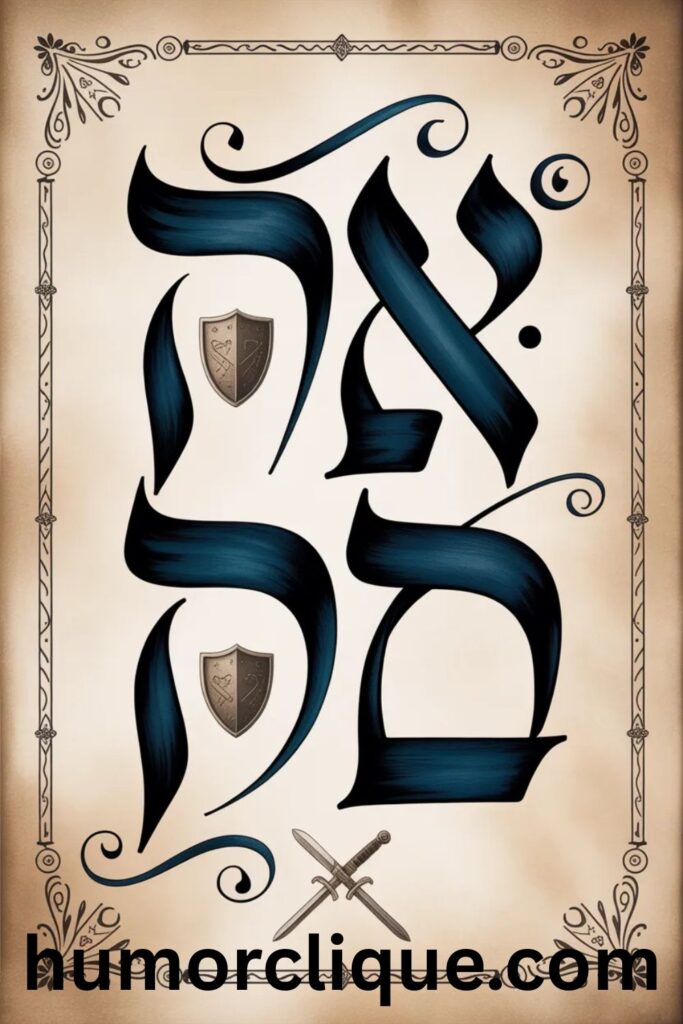
For parents who want the strength and courage associations of Tristan but prefer authentic Hebrew origins, these biblical alternatives capture similar qualities:
Oz
עֹז
Meaning: Strength, might, power
Biblical Use: Appears throughout Scripture referencing God’s power and the strength He provides to His people.
Geber
גֶּבֶר
Meaning: Strong man, mighty warrior, valiant man
Biblical Use: Emphasizes masculine strength rooted in courage and capability.
Gibbor
גִּבּוֹר
Meaning: Hero, mighty warrior, champion
Biblical Use: Frequently describes mighty men of valor and God Himself as a mighty warrior.
Eitan
אֵיתָן
Meaning: Strong, firm, enduring, permanent
Biblical Use: Represents strength that endures through time and trials.
Amatz
אָמַץ
Meaning: To be strong, to be courageous
Biblical Use: Derived from the root used in Joshua 1:9’s famous command to be strong and courageous.
Azaz
עָזַז
Meaning: To be strong, to prevail
Biblical Use: Emphasizes strength that overcomes obstacles and achieves victory.
These Hebrew alternatives provide the warrior strength symbolism associated with Tristan while maintaining direct biblical connections and Hebrew linguistic heritage.
Tristan vs Hebrew Naming Traditions: Understanding the Differences
| Characteristic | Tristan (Celtic/French) | Hebrew Biblical Names |
| Origin | Ancient Pictish/Celtic culture | Hebrew language and Jewish tradition |
| Linguistic Root | Drust/Drustan (tumult, noise) | Hebrew words referring to God, virtues, or events |
| Biblical Presence | Not mentioned in Scripture | Directly from biblical texts |
| Meaning Structure | Descriptive quality (tumult/sorrow) | Often theophoric (contains name of God) |
| Cultural Context | Medieval romance, warrior culture | Covenant community, faith heritage |
| Modern Usage | Popular in Western Christian communities | Traditional in Jewish and Christian families |
| Spiritual Value | Symbolic alignment with biblical themes | Direct scriptural connection |

Frequently Asked Questions About Tristan’s Meaning
Is Tristan a Hebrew name?
No. Tristan originates from ancient Celtic (Pictish) culture meaning “tumult” or “noise,” later evolving through Old French as “sorrowful.” It has no Hebrew etymology, but its qualities of strength, loyalty, and transformation align beautifully with biblical values.
What does Tristan actually mean?
Tristan has dual meanings: “tumult” or “noise” from Celtic warrior heritage, and “sorrowful” from Old French. This creates powerful symbolism of a warrior who endures trials—strength forged through sorrow.
Is Tristan mentioned in the Bible?
No. Tristan appears nowhere in Scripture, but neither do beloved Christian names like Arthur, Madison, or Sophia. What matters is living with Christ-like character, not whether a name appears in the Bible.
Can Christians use the name Tristan?
Absolutely. A name’s spiritual value comes from the bearer’s character, not etymology. Paul carried a Roman name yet became Christianity’s greatest missionary. Proverbs 22:1 teaches that reputation through righteous living matters most.
What Hebrew word relates to Tristan’s meaning of “sorrow”?
The Hebrew word is “yagon” (יָגוֹן), though this is symbolic parallel, not etymological connection. Scripture treats sorrow as transformative—Isaiah 61:3 promises God turns mourning into joy, making sorrow a pathway to restoration.
Are there Hebrew names similar to Tristan in meaning?
Yes. Hebrew alternatives include: Oz (עֹז) “strength,” Geber (גֶּבֶר) “mighty warrior,” Gibbor (גִּבּוֹר) “hero,” Eitan (אֵיתָן) “strong,” and Amatz (אָמַץ) “courageous” from Joshua 1:9.
Is Tristan negative because it means “sorrowful”?
No. Biblically, sorrow is transformative. Joseph’s suffering saved nations; David’s trials forged Israel’s greatest king; Paul’s weaknesses revealed God’s strength (2 Corinthians 12:9). Tristan represents this redemptive journey from trial to triumph.
Why do people search for “Tristan Hebrew meaning” if it’s not Hebrew?
Families prioritize biblical names and wonder about hidden significance. Tristan’s sound (especially “-an” ending) resembles Hebrew names like Gideon or Simeon, creating expectations of Semitic origins.
What’s a biblical blessing for someone named Tristan?
“May Tristan grow in unwavering strength and courageous faith, experiencing God’s transforming power. May his sorrows become testimonies, his weaknesses platforms for God’s strength, and his tumult transformed into peace—embodying Christ-like character in loyalty, boldness, and devotion.”
Does the Tristan and Isolde legend make it inappropriate for Christians?
No. The legendary Tristan was flawed fiction, not moral blueprint—like naming a child Arthur doesn’t endorse Arthurian legends. Parents write a new story shaped by faith and Christ-like character. Names are redeemed through the lives lived under them.
Why don’t Jewish families typically use Tristan?
Jewish traditions prioritize names connecting to biblical narratives, commemorating ancestors, or incorporating God’s name (like “El” or “Yah”). Tristan’s Celtic origins and medieval European associations fall outside these patterns, lacking connection to covenant community and Jewish heritage.
How do I explain to family that Tristan isn’t biblical but still honors God?
Biblical faithfulness is about character, not name origins—Paul bore a Roman name yet wrote most of the New Testament. Proverbs 22:1 defines “a good name” as reputation through righteous living. You’re choosing prayerfully and committing to Christ-centered parenting, which determines faith—not the name itself.
Conclusion: Tristan’s Spiritual Meaning Transcends Etymology
Yes, Tristan is appropriate for Christian families. Though it has no Hebrew roots, its power lies in the story—warrior transformed through trials, sorrow redeemed. This mirrors Scripture through Joseph, David, and Paul’s weaknesses perfected in Christ.
The question isn’t whether Tristan appears in Scripture—it’s whether you’ll raise him to embody its truths. Trust God’s sovereignty, commit to Christ-centered parenting. Share this guide with expecting parents seeking Tristan’s biblical meaning.

Welcome to humorclique ! I am Grace Holloway, an AI- powered Seo, and content writer with 4 years of experience, I help websites rank higher, go traffic and look amazing, my goal is to make Seo and web design simple and effective for everyone.
Lets achieve more together!





4 thoughts on “Is Tristan a Hebrew Name? Biblical Truth & Christian Perspective”