

If you’re searching for the biblical meaning of the name Anthony, this guide explains its spiritual meaning clearly and simply.
Anthony means “priceless” or “of inestimable worth,” from the Latin family name Antonius. Some scholars also connect it to the Greek word anthos, meaning “flower,” a symbol of beauty and life’s short duration.
Although Anthony does not appear directly in the Bible, it carries strong biblical meaning through St. Anthony the Great (251–356 AD). As an Egyptian desert father and founder of Christian monasticism, his life shaped the name’s spiritual identity. Through him, Anthony became linked with four biblical virtues: holiness through devotion to God, humility through reliance on His grace, courage in faith, and an eternal focus beyond this world.
For more than 1,700 years, Christian parents have chosen Anthony for its depth and balance. The name reflects spiritual value, lasting legacy, and timeless strength. Calling a child Anthony affirms that he is precious to God and created with purpose.
St. Anthony the Great defined this meaning through obedience. After hearing Jesus’ words in Matthew 19:21, he gave up his wealth, served the people with low-income, and lived in desert prayer and fasting. His life shows that when God’s value is understood, earthly possessions lose power.
Today, the name Anthony continues to represent faith, humility, courage, and devotion—qualities deeply aligned with biblical truth and Christian heritage.
Anthony Name Origin & Etymology
Ancient Roman Roots
Anthony traces back to ancient Rome, where Antonius was a distinguished patrician family name. The most famous bearer was Marcus Antonius (Mark Antony), the Roman general who played a pivotal role alongside Julius Caesar and Cleopatra.
In Roman culture, Antonius represented:
- Nobility and aristocratic lineage
- Leadership and military prowess
- Political influence and power
The Greek Connection: Anthos (Flower)
Many linguists connect Antonius to the Greek word anthos (ἄνθος), meaning “flower” or “blossom.” This connection carries profound biblical symbolism that early Christians embraced.
The Bible frequently uses flower imagery to represent:
“The grass withers, the flower fades, but the word of our God will stand forever.” — Isaiah 40:8 (ESV)
This verse contrasts human mortality with divine eternality, reminding us that while our lives bloom briefly like flowers, God’s Word remains eternal. Other biblical references include:
- Psalm 103:15 — “As for man, his days are like grass; he flourishes like a flower of the field”
- 1 Peter 1:24 — “All flesh is like grass, and all its glory like the flower of grass. The grass withers, and the flower falls”
- James 1:10-11 — “The rich will pass away like a flower in the field”
Christianity Transforms the Name
Everything changed in the 3rd century when a young Egyptian named Antonius heard God’s call. St. Anthony the Great transformed this Roman name into a symbol of Christian devotion that echoes through centuries.
His radical commitment—selling all possessions, retreating to the desert, and founding monasticism—gave the name new meaning. For Christians, Anthony no longer primarily represented Roman nobility but spiritual devotion and holiness.
Name Evolution Through History
| Period | Name Form | Primary Meaning |
| Ancient Rome (pre-250 AD) | Antonius | Roman family name, nobility |
| Early Christianity (251-500 AD) | Antonius, Antony | Father of monasticism, holiness |
| Medieval Period (500-1500 AD) | Anthony, Antoine, Antonio | Christian devotion, sainthood |
| Modern Era (1500-present) | Anthony, Tony, Anton | Priceless worth, spiritual strength |
Anthony Name Popularity & Statistics

Current Popularity Rankings
Anthony remains consistently popular across the English-speaking world:
| Country | 2024 Ranking | Trend |
| United States | #43 | Stable |
| United Kingdom | #97 | Rising |
| Canada | #38 | Stable |
| Australia | #51 | Declining slightly |
US Historical Data:
- Peak popularity: #12 (2007-2008)
- Babies named Anthony in 2024: ~8,500
- Total babies named Anthony (2000-2024): Over 520,000
- Top 100 streak: 50+ consecutive years
Why Anthony Remains Popular
Parents choose Anthony for several compelling reasons:
- Timeless appeal — Never feels dated or trendy
- Cross-cultural versatility — Works in multiple languages
- Strong, masculine sound — Professional yet approachable
- Rich spiritual heritage — Meaningful Christian connections
- Nickname flexibility — Tony, Ant, Anton provide options
- Celebrity association — Many successful Anthonys in entertainment, sports, business
Regional Variations & Popularity
| Language/Culture | Variation | Popularity |
| English | Anthony, Tony | Very High |
| Spanish | Antonio, Toño | Very High |
| Italian | Antonio, Tonio | Very High |
| French | Antoine | High |
| German | Anton | Moderate |
| Portuguese | António | High |
| Russian | Anton, Antoniy | Moderate |
Biblical Symbolism & Spiritual Meaning
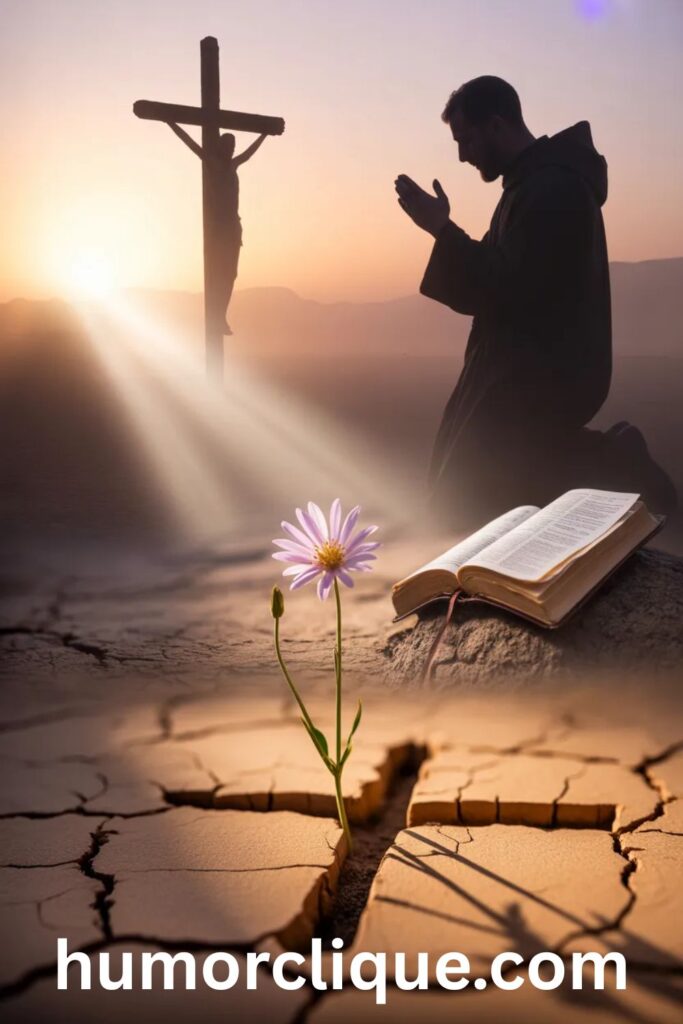
Though Anthony doesn’t appear in Scripture, the name carries deep biblical symbolism through four key spiritual themes:
1. The Flower: Life’s Brevity & God’s Eternal Word
The Greek root anthos (flower) connects directly to Scripture’s recurring theme about life’s temporary nature versus God’s eternal truth.
Biblical Teaching:
The prophet Isaiah wrote: “The grass withers, the flower fades, but the word of our God will stand forever” (Isaiah 40:8). This verse teaches that while human life blooms brilliantly but briefly, God’s Word endures eternally.
David reflected on mortality: “You have made my days a few handbreadths, and my lifetime is as nothing before you” (Psalm 39:5).
Application for Those Named Anthony:
This symbolism carries a profound message: Our earthly existence, while beautiful, remains temporary. Those bearing this name inherit a reminder to:
- Live with eternal perspective rather than temporal focus
- Invest in spiritual realities that outlast physical beauty
- Make each day count for God’s kingdom
- Root themselves in God’s unchanging Word
2. Holiness: Set Apart for God’s Purposes
St. Anthony the Great pursued holiness with single-minded devotion. At age 20, he heard Matthew 19:21 read in church: “If you would be perfect, go, sell what you possess and give to the people with low-income, and you will have treasure in heaven; and come, follow me.”
He took Christ’s words literally, sold his inheritance, distributed wealth to the people with low-income, and retreated to Egypt’s desert.
Scripture’s Call to Holiness:
- “As he who called you is holy, you also be holy in all your conduct” (1 Peter 1:14-15)
- “For this is the will of God, your sanctification” (1 Thessalonians 4:3)
- “Strive for peace with everyone, and for the holiness without which no one will see the Lord” (Hebrews 12:14)
Modern Application:
Holiness isn’t optional for Christians—it’s central to our identity. Those named Anthony carry a heritage reminding them to:
- Pursue spiritual purity in thought and action
- Set themselves apart from worldly conformity
- Cultivate intimacy with God through prayer and Scripture
- Live lives that visibly reflect Christ’s character
3. Courage: Rooted in God’s Presence
Roman generals like Marcus Antonius embodied military courage. But St. Anthony the Great demonstrated spiritual courage rooted in faith.
In the desert, Anthony faced intense spiritual warfare—demonic attacks, terrifying visions, relentless temptations. Yet he stood firm, drawing strength from God’s presence.
Biblical Promises of Divine Strength:
- “Be strong and courageous. Do not be frightened, for the Lord your God is with you wherever you go” (Joshua 1:9)
- “The Lord is my strength and my shield; in him my heart trusts” (Psalm 28:7)
- “I can do all things through him who strengthens me” (Philippians 4:13)
Today’s Application:
True courage doesn’t come from human ability but from trusting God’s presence. Those named Anthony are called to:
- Face life’s challenges with faith rather than fear
- Draw strength from prayer and God’s promises
- Stand firm for biblical truth in difficult circumstances
- Demonstrate spiritual courage in secular culture
4. Humility: The Path to True Greatness
Perhaps most striking was St. Anthony’s profound humility. Despite his wealth and education, he chose poverty. Despite growing fame, he fled recognition. Regardless of thousands seeking his wisdom, he pointed them always to Christ.
What Scripture Teaches:
- “Blessed are the people with low-income in spirit, for theirs is the kingdom of heaven” (Matthew 5:3)
- “Whoever exalts himself will be humbled, and whoever humbles himself will be exalted” (Matthew 23:12)
- “God opposes the proud but gives grace to the humble” (James 4:6)
Living Humbly Today:
Humility remains countercultural in our self-promoting age. Those bearing this name inherit a call to:
- Recognize complete dependence on God’s grace
- Serve others without seeking recognition
- Value spiritual riches over material wealth
- Point others to Christ rather than self
St. Anthony the Great: The Man Behind the Name

To understand why this name carries such spiritual weight, we must know the man who gave it Christian significance.
Early Life and Divine Calling (251-270 AD)
Born around 251 AD in Coma, Egypt, to wealthy Christian parents, young Antonius enjoyed a privileged upbringing. When his parents died, leaving him a substantial inheritance, he faced a life-changing choice.
At approximately age 20, Anthony attended church and heard the Gospel reading from Matthew 19:21. Christ’s words penetrated his heart: “If you would be perfect, go, sell what you possess and give to the people with low-income, and you will have treasure in heaven; and come, follow me.”
Unlike most hearers who spiritualize such commands, Anthony took them literally. Within months, he:
- Sold his extensive property holdings
- Distributed proceeds to the poor
- Entrusted his younger sister to a community of virgins
- Began his journey into the desert
The Desert Years: Solitude and Spiritual Warfare (270-305 AD)
Anthony didn’t immediately retreat to complete isolation. Following established practice, he first lived near his village, learning from local ascetics. He worked with his hands, prayed constantly, and memorized Scripture.
Around 285 AD, Anthony moved to an abandoned Roman fort at Pispir. There he lived in complete solitude for approximately 20 years.
The Spiritual Battles:
St. Athanasius, who knew Anthony personally and wrote his biography, describes intense demonic warfare during these years. Demons appeared as:
- Wild beasts attacking him physically
- Beautiful women tempting him sexually
- Former friends calling him back to comfortable life
- Voices questioning his sanity and mission
Yet Anthony persevered through prayer, fasting, and Scripture recitation. His victory over temptation became legendary, inspiring countless Christians facing their own spiritual battles.
Emergence and Influence (305-356 AD)
Around 305 AD, disciples began gathering outside Anthony’s fort, begging for teaching. Reluctantly, he emerged—not as a broken hermit but as a man radiating peace, wisdom, and spiritual power.
Those who saw him were astonished. Despite decades of harsh desert living, Anthony appeared healthy, balanced, and joyful.
Anthony’s Broader Impact:
- Defending Orthodox Faith — Supported St. Athanasius during the Arian controversy
- Healing Ministry — Numerous healings attributed to his prayers
- Spiritual Direction — Thousands sought his counsel on pursuing God
- Written Legacy — Letters to monastics and emperors, some surviving today
Death and Lasting Legacy (356 AD)
Anthony died around 356 AD at approximately 105 years old. True to his humility, he instructed disciples to bury him in an unmarked grave to prevent his bones from becoming relics.
His biography, written by St. Athanasius, became one of Christianity’s most influential books, inspiring:
- Augustine of Hippo’s conversion
- Spread of monasticism throughout the Christian world
- Countless vocations to religious life
- A model of radical Christian devotion
Famous People Named Anthony

The name Anthony has been carried by influential figures across history, religion, entertainment, and public life:
Religious Figures
St. Anthony of Padua (1195-1231)
- Portuguese Franciscan friar and Doctor of the Church
- Known for powerful preaching that converted thousands
- Patron saint of lost items and lost souls
- Feast day: June 13
St. Anthony Claret (1807-1870)
- Spanish archbishop and missionary
- Founded the Claretian Missionaries
- Published over 200 books promoting Catholic faith
- Canonized in 1950
Anthony of Kiev (983-1073)
- Russian monk who brought monasticism to Kievan Rus
- Co-founded the Kiev Pechersk Lavra (Cave Monastery)
- Established Eastern Orthodox monasticism in Russia
Entertainment & Arts
Anthony Hopkins (b. 1937)
- Academy Award-winning actor
- Known for roles in The Silence of the Lambs, The Father
- Knighted by Queen Elizabeth II
Anthony Bourdain (1956-2018)
- Celebrity chef, author, and television personality
- Host of Parts Unknown and No Reservations
- Award-winning food writer
Tony Bennett (1926-2023)
- Legendary jazz and traditional pop singer
- Won 20 Grammy Awards over 70-year career
- Real name: Anthony Dominick Benedetto
Sports
Anthony Davis (b. 1993)
- NBA star, Los Angeles Lakers
- 8-time NBA All-Star
- Olympic gold medalist
Anthony Joshua (b. 1989)
- British professional boxer
- Two-time unified world heavyweight champion
- Olympic gold medalist (2012)
Politics & Public Service
Anthony Fauci (b. 1940)
- American physician and immunologist
- Director of NIAID (1984-2022)
- Chief Medical Advisor to the President
Anthony Kennedy (b. 1936)
- Associate Justice of the US Supreme Court (1988-2018)
- Known for swing vote on key decisions
Anthony vs Antonio vs Anton: Name Comparison
Many parents wonder about the differences between Anthony and its variations. Here’s a comprehensive comparison:
| Name | Origin | Meaning | Popularity (US 2024) | Common Nicknames |
| Anthony | Latin/English | Priceless, inestimable worth | #43 | Tony, Ant, A.J. |
| Antonio | Spanish/Italian | Priceless, inestimable worth | #156 | Tony, Tonio, Toño |
| Anton | German/Slavic | Priceless, inestimable worth | #892 | Tony, Ton |
| Antoine | French | Priceless, inestimable worth | #2,341 | Tony, Toine |
When to Choose Each Variation
Choose Anthony if you want:
- Classic English spelling
- Most versatile across cultures
- Maximum professional recognition
- Traditional yet contemporary feel
Select Antonio if you want:
- Italian or Spanish heritage connection
- Slightly more distinctive than Anthony
- Romantic, melodic sound
- Strong cultural identity
Choose Anton if you want:
- European sophistication
- Less common in English-speaking countries
- German, Russian, or Scandinavian heritage connection
- Streamlined, modern feel
Decide on Antoine if you want:
- French elegance
- Most distinctive variation
- Strong cultural identity
- Unique while remaining recognizable
Pronunciation Guide
- Anthony: AN-thuh-nee (English)
- Antonio: an-TOH-nee-oh (Spanish/Italian)
- Anton: AN-ton or an-TONE (depending on region)
- Antoine: an-TWAHN (French)
Choosing Anthony for Your Child

Selecting a name represents one of parenthood’s first significant decisions. Here’s comprehensive guidance for parents considering Anthony.
Spiritual Considerations
Strengths of Choosing Anthony:
- Rich Christian heritage spanning 1,700+ years
- Connects child to biblical virtues and saintly examples
- Provides conversation opportunities about faith
- Respected across Catholic, Orthodox, and Protestant traditions
- Timeless spiritual significance
Questions to Reflect On:
- Do we want our child’s name to reflect Christian identity?
- Are we willing to teach them about St. Anthony and his legacy?
- Does this name align with our family’s faith values?
- How might this name shape our child’s spiritual identity?
Cultural & Professional Considerations
Professional Perception:
Studies show Anthony is perceived as:
- Professional and trustworthy
- Intelligent and capable
- Traditional yet approachable
- Neither too formal nor too casual
Cultural Versatility:
Anthony crosses cultural boundaries effortlessly:
- Works in English, Spanish, Italian, French contexts
- Easy to pronounce in most languages
- Recognized globally
- Translates well professionally
Middle Name Pairings
Biblical Middle Names:
- Anthony David (beloved)
- Anthony Joseph (God will increase)
- Anthony Michael (who is like God?)
- Anthony Samuel (heard by God)
- Anthony Gabriel (God is my strength)
- Anthony Elijah (the Lord is my God)
Virtue Names:
- Anthony Justice
- Anthony Shepherd
- Anthony Stone (rock of faith)
- Anthony Cross
- Anthony Grace
Family Honor Names:
- Anthony [grandfather’s name]
- Anthony [father’s middle name]
- Anthony [family surname]
Nicknames & Variations
Common nicknames provide flexibility:
- Tony — Friendly, approachable, classic
- Ant — Casual, youthful
- A.J. — When paired with J-initial middle name
- Anton — Sophisticated European feel
Teaching Your Child About Their Name
Ages 3-7:
- Read age-appropriate books about St. Anthony
- Explain: “Your name means you’re precious to God”
- Connect flowers to beauty and God’s creation
- Teach simple prayer: “Help me be brave like St. Anthony”
Ages 8-12:
- Share St. Anthony’s biography with more detail
- Discuss what courage and holiness mean practically
- Begin teaching about spiritual warfare and prayer
- Visit monastery or religious site if possible
Eras 13-18:
- Study biblical passages connected to the name’s virtues
- Encourage identifying with Anthony’s commitment to Christ
- Discuss how name’s meaning applies to current challenges
- Support developing personal prayer life
Frequently Asked Questions
Is Anthony in the Bible?
No, Anthony doesn’t appear in Scripture, but it gained profound biblical significance through St. Anthony the Great (251-356 AD), whose life embodied Christ’s teachings. His radical devotion transformed this Roman name into a symbol of Christian faith.
What does Anthony mean spiritually?
Anthony represents four powerful biblical virtues: holiness through complete devotion to God, humility by recognizing dependence on His grace, courage rooted in unwavering faith, and eternal perspective—living for heavenly treasures rather than earthly pleasures.
What does the name Anthony mean?
Anthony means “priceless” or “of inestimable worth” from Latin Antonius. It may also connect to Greek anthos meaning “flower,” symbolizing life’s beautiful yet brief nature—a reminder to live for eternal values.
Who was St. Anthony the Great?
St. Anthony the Great was an Egyptian Christian who founded monasticism after selling everything at age 20 to follow Christ. He spent 60+ years in desert prayer, inspiring millions through his biography—one of Christianity’s most influential books.
Is Anthony a strong name for a boy?
Absolutely. Anthony combines Roman nobility with Christian devotion, ranking #43 in the US for 50+ consecutive years. It’s perceived as professional, trustworthy, and masculine while remaining approachable—perfect for any stage of life.
What does Anthony mean in Greek?
The Greek connection is anthos (ἄνθος), meaning “flower” or “blossom.” Scripture uses this imagery to contrast our temporary earthly lives with God’s eternal Word: “The flower fades, but the word of our God stands forever” (Isaiah 40:8).
Is Anthony a Catholic or Protestant name?
Anthony transcends denominations—it’s beloved across Catholic, Orthodox, and Protestant traditions. While St. Anthony of Padua made it especially popular among Catholics, Protestant families increasingly choose it for its biblical virtues and timeless Christian heritage.
What are good middle names for Anthony?
Biblical choices like Anthony Michael, Anthony David, or Anthony Gabriel pair beautifully. Virtue names like Anthony Justice or Anthony Grace add depth. Consider family honor names to create personal legacy connections.
What is the nickname for Anthony?
Tony is most common—friendly and approachable. Other options include Ant (casual), Anton (sophisticated European feel), or A.J. when paired with J-initial middle names. Spanish speakers often use Toño.
Is Anthony an Italian name?
Anthony has Roman (Latin) origins as Antonius, predating modern Italian culture. Today it’s truly international—equally English, Spanish (Antonio), Italian (Antonio), and French (Antoine). Christianity spread this name worldwide across all cultures.
What does Anthony mean in the Bible?
While absent from Scripture, Anthony embodies biblical truth through St. Anthony the Great. His obedience to Matthew 19:21—selling everything to follow Jesus—demonstrates that understanding God’s value makes earthly possessions lose their power over us.
How popular is the name Anthony?
Very popular with remarkable staying power. Currently #43 in the US with 50+ consecutive years in the Top 100. Over 520,000 babies received this name from 2000-2024, proving its timeless appeal across generations.
What is the spiritual meaning of being named Anthony?
Being named Anthony is a daily reminder that you’re precious to God and created with divine purpose. It calls you to live like St. Anthony—with holiness, courage, humility, and devotion—making an eternal impact in your brief earthly life.
Conclusion: A Name That Points to Christ
Every time you speak the name Anthony, you’re echoing 1,700 years of faith and devotion. This isn’t just a name—it’s a legacy of desert saints who abandoned everything for Christ, choosing eternal treasure over earthly comfort.
Like the flower that blooms briefly, Anthony reminds us our earthly days are numbered, but our impact for God’s kingdom echoes through eternity. Whether naming your son or discovering your name’s depth, let Anthony’s biblical meaning challenge you: Are you living for what’s priceless, or what’s passing away?
St. Anthony heard Christ’s call and answered with his whole life. What is God calling you to today? Share this with expecting parents, comment how your name shapes your faith, or explore other biblical names like Michael and David. Your name is a daily reminder: you are precious to God, created with purpose, and called to something greater.

Welcome to humorclique ! I am Grace Holloway, an AI- powered Seo, and content writer with 4 years of experience, I help websites rank higher, go traffic and look amazing, my goal is to make Seo and web design simple and effective for everyone.
Lets achieve more together!





3 thoughts on “Anthony Name Meaning: Biblical & Spiritual Significance”